It’s a question that’s been popping up more and more in VR communities lately: Is Meta slowly destroying VR?
As someone who follows Meta Quest closely, and uses it regularly, I don’t think the answer is a simple yes or no. This is an ironic question since Meta has undeniably played the biggest role in pushing VR into the mainstream, but some recent decisions have frustrated longtime users and raised real concerns about the platform’s direction.
In this article we are going to look at both sides: the negatives that are pushing users away, and the positives that show Meta is still heavily invested in VR’s future.
I want to hear your thoughts in the comments below or on the YouTube video.
The Negatives: Where Meta Is Losing Goodwill
1. Taking Away Features Users Loved
One of the biggest pain points for Quest users is the removal of features people actually enjoyed and used.
Features like:
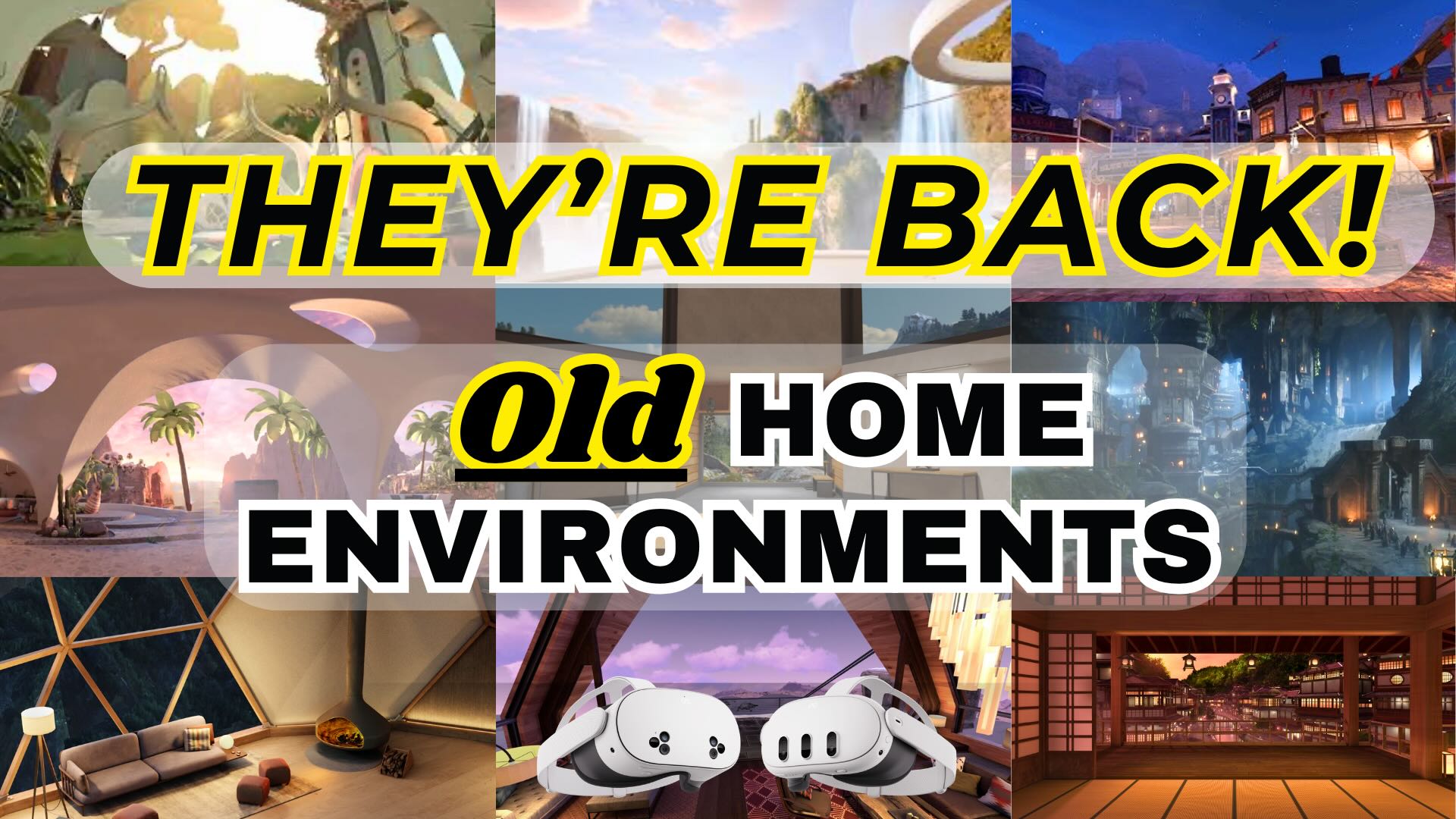
- Custom Virtual Environments
- The newer UI Navigator experience
- The Move App for fitness tracking
These weren’t niche tools, they were part of what made Quest feel customizable and personal. Removing them without clear replacements makes the platform feel less feature-rich over time, not more polished.
When features disappear, it creates uncertainty. Users start wondering: What’s next to go?
2. Not Listening to Its Users
Another common criticism is that Meta often feels disconnected from its core VR community.
Feedback is shared constantly through forums, social media, and direct user reports, yet many decisions seem to move forward without addressing those concerns. When users feel ignored, frustration builds, and loyal fans slowly turn into skeptics.
I couldn’t believe the uproar that happened when the Virtual Environments were taken away. But, having heard from so many people, the virtual environments were like a second home to people. It was a place of comfort and relaxing that was just taken away.
3. Pushing Horizon Worlds Too Aggressively
Horizon Worlds has potential, but Meta’s aggressive push hasn’t landed well with everyone.
For many users, Horizon Worlds feels unfinished compared to traditional VR games and experiences. When it’s promoted as the future of VR while other beloved features are cut, it can feel like Meta is prioritizing its own vision over what users actually enjoy doing in VR. Most people that I’ve heard from don’t want the Horizon World Portal in their home environment. Many (including myself) don’t like that these worlds are forced into the library and can’t be removed. I don’t mind Horizon Worlds in and of itself, it’s just how Meta has gone about promoting them that I don’t like.
4. Poor Customer Support
Customer support remains one of Meta’s weakest areas.
Stories of long response times, unresolved issues, and confusing warranty processes are still common. For a platform that serves millions of users, and often acts as their first introduction to VR, this is a serious problem that directly impacts trust.
I’ve had good experiences with support but also bad ones as well. I’ve had an ongoing issue for the last two and a half weeks that is still not resolved (at the time of posting). Every time I contact or get contacted, it is from a different support person. They often ask for info that I’ve already provided. Having more consistency would be much nicer.
5. Laying Off Major VR Studios
Perhaps the most alarming signal came with the shutdown of three studios responsible for major VR titles, including:
- Deadpool VR
- Asgard’s Wrath 2
- Resident Evil 4 VR
- Supernatural
These weren’t small experiments, they were some of the strongest examples of what high-quality VR content can be. Losing teams like this raises concerns about Meta’s long-term commitment to premium, game-focused VR experiences.
There are many other developers out there that are still producing great content, but it is always sad to lose producing studios like this.
The Positives: Why Meta Is Still a Major Force in VR
Despite all the criticism, it’s important to acknowledge what Meta is still doing right.
1. Live Events Are Thriving
Meta has seen real success with live VR events, proving that social VR can work when done right.
Notable highlights include:
- The Coldplay: Music of the Spheres VR concert
- A growing UFC partnership
- VR experiences tied to the FIFA World Cup
These events show VR’s unique strength, placing people inside moments they couldn’t experience otherwise.
2. Delaying Quest 4 Might Be the Right Move
While delays are often seen as bad news, the reported delay of the Meta Quest 4 could actually be a positive.
If the extra time is being used to:
- Improve hardware quality
- Refine software and UI
- Avoid a rushed or underwhelming launch
Then delaying the headset could result in a much stronger product, and a better experience for users. With the Steam Frame about to be released here within the next couple of months, it can set the stage for what Meta really needs to focus on in order to succeed with the Quest 4.
3. Still the Most Affordable Way Into VR
Love it or hate it, Meta Quest headsets remain the most affordable and accessible entry point into VR.
Without Meta’s aggressive pricing:
- VR adoption would be slower
- Fewer developers would take risks
- Many users wouldn’t own a headset at all
This affordability has been crucial to VR’s growth, even if it comes with trade-offs.
So… Is Meta Destroying VR?
Personally, I don’t think Meta is destroying VR.
However, I do think they’re making decisions that are pushing certain users away, especially experienced VR users who care deeply about customization, software features, and premium games.
That’s where the real risk lies.
If competitors like Valve release new hardware, such as the rumored Steam Frame, disgruntled users may finally have a reason to leave the Meta ecosystem entirely.
Meta built VR’s largest audience. The challenge now isn’t growth, it’s retention and trust.
Final Thoughts
Meta is still one of the most important companies in VR, but importance doesn’t guarantee loyalty.
If Meta can:
- Listen more closely to its users
- Stop removing features without strong replacements
- Balance Horizon Worlds with traditional VR content
- Improve customer support
Then VR’s future under Meta can still be very strong.
But if these issues continue, Meta may not destroy VR, but it could unintentionally push its most passionate users toward whatever comes next.
And in VR, passionate users matter more than anyone.
What are your thoughts! Please share in the comments below!